- tech
- cellular
- sms
- youtube
- sim
- esim
eSIMs Are NOT Better
February 3, 2026
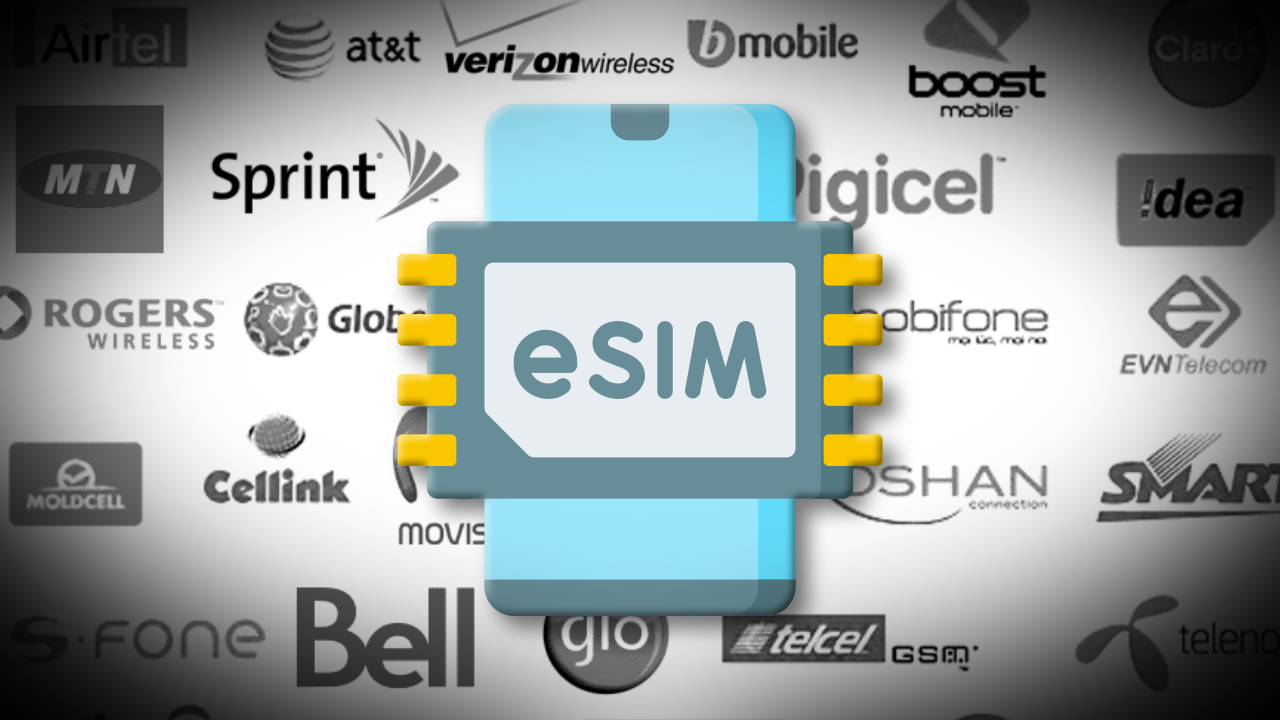
As tech gets better, there are many “features” that are forced on us (notice the features in quotes). One of the marks of progress in the mobile device space is the removal of the physical SIM card, which is replaced with an eSIM. Of course, Apple started this trend, and other companies like Google continue to follow.
Pros of eSIM
eSIMs are not all bad, and there are even some major advantages. In theory, they are more flexible, allowing you to switch carriers completely on your own without having to physically go to a location or order a SIM. You can also have multiple eSIMs, which is great for travel and for people who want to use multiple carriers.
Cons of eSIM
eSIMs are not all sunshine and daisies, with glitches—especially if you accidentally delete the wrong one. Sometimes you can remove the eSIM and it just stays there, deactivated but not removed (this may just be an Apple issue). Switching devices is also much more difficult because you can’t just take the SIM out and swap devices. Instead, you have to use your carrier’s app or website to scan and install the eSIM on the new device.
Big Tech’s Response
For a while, there was a bliss period where mobile phones had the option to use either an eSIM or a physical SIM, which was the best of both worlds. Not only could people simply swap and use SIM cards, but they could also use multiple carriers on the same phone because of eSIM functionality. Sadly, large phone companies like Apple and Google have led the charge in removing the physical SIM altogether in the US. This is even more frustrating because European versions of the iPhone still have physical SIM capabilities. Apple likes to play it off in the name of progress, but removing features is a regression.
Conclusion
There isn’t much we as consumers can do to combat bad practices from big tech other than not buying devices without physical SIM card slots. I personally wanted to buy the newest Pixel but decided to look into older models instead, because Google removed the feature from the 10 series for some reason. All of this being said, eSIM and physical SIM should live together in harmony without making consumers choose between the two.
<- Back to posts